




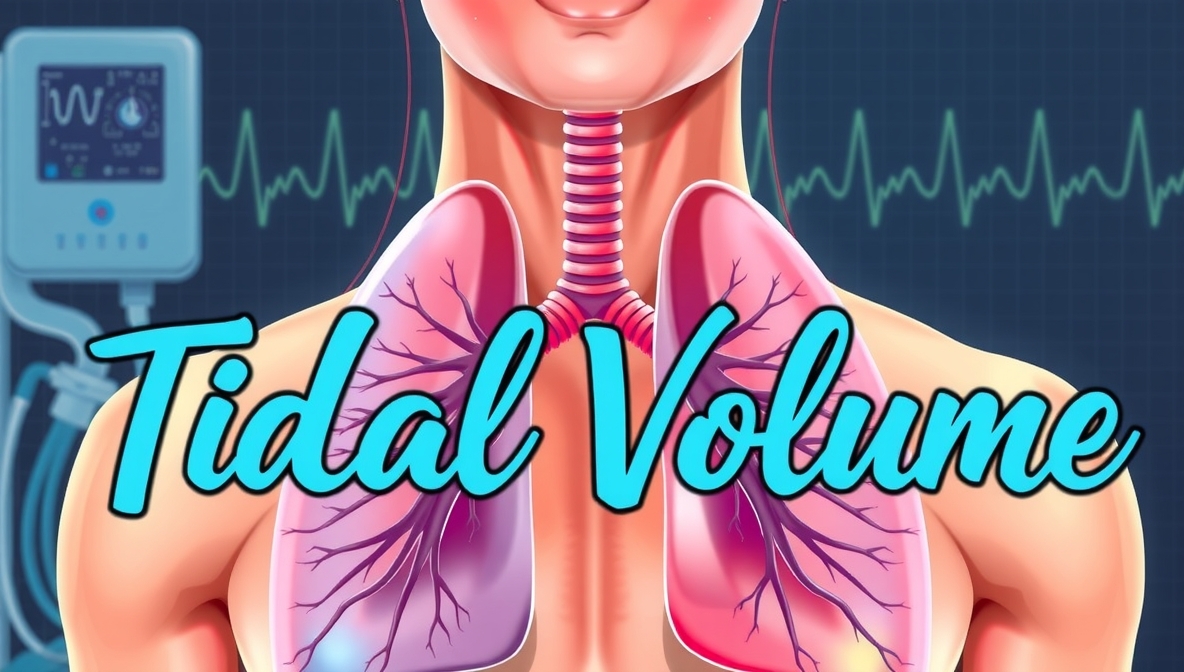
Tidal Volume is the amount of air you breathe in and out with each normal breath. Tidal volume helps your lungs get the oxygen your body needs and remove carbon dioxide. Knowing about tidal volume can help you understand your health better and keep your breathing strong. Everyone has a tidal volume, but it can change depending on age, size, health, and activity. For example, when you exercise, your tidal volume increases so your body can get more oxygen. When you sleep, it becomes smaller because your body needs less energy. Doctors use tidal volume to check how well your lungs work. If your tidal volume is too low or too high, it can show a problem with your breathing or your lungs. Learning about tidal volume is easy and useful because it is something you do every second without thinking. Even babies and young children have tidal volume, but theirs is smaller because their lungs are smaller.
Tidal volume also changes if someone is sick with a lung disease or if they have asthma or other breathing problems. Measuring tidal volume is important in hospitals, especially for patients on breathing machines, because doctors need to know how much air to give. Healthy lungs have a normal tidal volume that matches your body size and activity. Tidal volume is also connected to other lung measures like vital capacity, which is the maximum air you can breathe in, and residual volume, which is air left in the lungs after breathing out. Understanding tidal volume helps in sports too. Athletes often train to improve their lung capacity and tidal volume, which can make their bodies work better and recover faster. Knowing tidal volume is also useful for singers, musicians, and anyone who needs strong breath control.
How Tidal Volume Is Measured
Doctors measure tidal volume to check lung function and overall health. One common tool is a spirometer, which is a device that measures the amount of air you inhale and exhale. This measurement can help detect early signs of lung problems. For patients in hospitals, especially those on ventilators, tidal volume is very important because it helps doctors set the right amount of air to give. Giving too little or too much air can be harmful, so accurate tidal volume measurements are essential.
Tidal Volume and Health
Tidal volume affects many parts of your health. It helps your body get enough oxygen, which is necessary for all your organs to work properly. It also helps remove carbon dioxide, which if it builds up, can make you feel dizzy, tired, or even sick. People with low tidal volumes may feel short of breath easily, get tired faster, or have trouble sleeping. Improving tidal volume can help these problems.
Exercises to Improve Tidal Volume
You can increase your tidal volume with simple exercises. Deep breathing exercises, yoga, and swimming are great ways to strengthen your lungs. When you take deep breaths, you stretch your lungs and increase their capacity, which means more oxygen gets into your body with each breath. Practicing good posture also helps. Sitting straight or standing tall allows your lungs to expand fully, increasing tidal volume naturally.
Tidal Volume in Children and Adults
Children have smaller lungs and lower tidal volumes. As they grow, their tidal volume increases. Adults usually have stable tidal volumes unless they have health problems. Seniors may experience a slight decrease in tidal volume due to aging lungs, which become less flexible. Regular exercise and deep breathing can help maintain tidal volume at any age.
Tidal Volume and Sleep
Tidal volume changes during sleep. When you are asleep, your body does not need as much oxygen, so your tidal volume becomes smaller. However, certain sleep problems, like sleep apnea, can reduce tidal volume too much, causing poor sleep quality and low oxygen levels. Doctors may monitor tidal volume during sleep studies to understand these issues better.
Environmental Factors and Tidal Volume
Where you live and the air you breathe can affect tidal volume. At high altitudes, the air has less oxygen, so your tidal volume naturally increases to get enough oxygen. Pollution, smoke, and allergens can make breathing harder and reduce tidal volume. Avoiding these harmful factors can help keep your lungs healthy.
Tidal Volume vs. Other Lung Measures
Tidal volume is one part of lung health, but there are other important measurements too. Vital capacity is the maximum amount of air you can breathe in after a deep breath. Residual volume is the air left in your lungs after exhaling completely. These measurements together help doctors understand your lung function better.
Tidal Volume and Sports Performance
Athletes pay attention to tidal volume because it affects performance. Higher tidal volumes allow more oxygen to reach muscles, improving stamina and recovery. Sports like swimming, running, and cycling naturally increase tidal volume through training. Breathing exercises are also used by singers and wind instrument musicians to control breath better and increase tidal volume.
Breathing Techniques to Improve Tidal Volume
Simple breathing techniques can make a big difference in tidal volume. Diaphragmatic breathing, also called belly breathing, helps fully expand the lungs. Inhale slowly through your nose, let your belly rise, and then exhale slowly. Practicing this daily can strengthen the lungs and increase tidal volume over time.
Tidal Volume and Lung Diseases
People with lung diseases often have low tidal volumes. Conditions like COPD, asthma, or pneumonia make it hard for the lungs to expand fully. Medical professionals monitor tidal volume closely in these patients. Treatments and exercises aimed at increasing tidal volume can help improve breathing and overall quality of life.
Tips to Maintain Healthy Tidal Volume
- Practice deep breathing exercises daily.
- Avoid smoking and secondhand smoke.
- Exercise regularly to strengthen lungs.
- Maintain good posture to allow full lung expansion.
- Monitor air quality and avoid polluted environments.
- Consult a doctor if you notice shortness of breath or difficulty breathing.
Conclusion
Tidal volume is a simple but important measure of how your lungs work. It affects your energy, health, and overall well-being. By understanding tidal volume, you can take steps to improve breathing, stay active, and prevent health problems. Exercises, good posture, and healthy habits all help maintain optimal tidal volume. Even small changes can make a big difference for your lungs and body.
FAQs
What is tidal volume?
Tidal volume is the amount of air you breathe in and out with each normal breath.
Why is tidal volume important?
It helps your body get oxygen and remove carbon dioxide, which are both vital for health.
Can tidal volume be improved?
Yes, through deep breathing exercises, yoga, good posture, and regular physical activity